What if your story could become an adventure people experience, instead of something they just watch or read?
I want to show you how you can turn your knowledge, experience, or creative ideas into playable experiences: games that spark curiosity, deepen understanding, and leave a lasting impression.
Join me on my journey and discover the possibilities!
What This Series is About
This isn't about teaching you to code or building a pixel-perfect shooter. This series is for creators, storytellers, coaches, experts, and entrepreneurs who want to share their journey through interactivity, not lectures.
We'll explore how to translate your ideas into decision-driven simulations: models of cause and effect, of tradeoffs and progress, of resources spent and rewards gained.
Whether your story is about:
- Starting a business
- Responding to a crisis
- Or building a new civilization from scratch
…the common thread is choice. Your hero, your player, faces challenges and decisions. And those decisions carry weight.
Together, we'll explore various game design principles and mechanics, and combine that with the decisions to create compelling game loops that represent those decisions, consequences, and outcomes. I'll show you how to structure systems, how to make tradeoffs feel meaningful, and how I'm using these principles in the game I'm building right now.
A Bit About Me
I spent over 5 years leading game development across mobile titles like Grumpy Bears, Mines and Magic, Snow Surfers, Streaker Run and the most successful one, Plumber Crack. That last one is as campy as it sounds, and enjoyed 10's of millions of downloads!
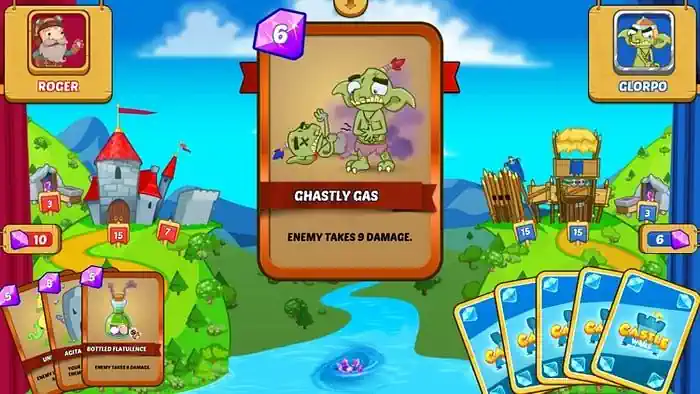
I also built serious games used for education and training.
After several years in the SaaS world, I missed game development. But this time, I didn't want to build endless runners or shooters. I wanted to make games with meaning. Games focused on simulation, storytelling, and decision-making.
So I started building the platform I wish existed: a no-code game builder that helps creators design narrative and resource management simulations. Games that challenge the mind, not the reflexes.
Why Games?
Games are different. Unlike traditional media like videos, blogs, and newsletters, they're interactive. They create a sense of ownership and emotional investment. And they tend to leave a mark. Courses are interactive, sort of, but they're definitely not fun, which is why they enjoy about a 30% completion rate at best!
I still remember the feeling of mystery exploring Skara Brae in The Bard's Tale, a couple decades ago now. That's the power of games.
They're safe spaces to test ideas. To experiment. To fail without judgment.
They let your audience live your experience.
Yet most people don't even think of making games because they are complex and expensive to build. Big titles can take 100s of people several years to complete.
That's mostly because traditional games rely on character control, physics, and detailed object interactions, all of which require heavy scripting.
There are actually already many game building platforms out there that claim to make it easy for you. But they typically still involve some amount of scripting, even if just 'visual scripting', and are focused on arcade-style games like platformers and shooters.
But what if you didn't need any of that?
What if you could make a game using just your story, your systems, and your player's decisions?
Decision-Driven Games Are Already Winning
If you're skeptical that games based solely on decisions can be fun, just look around.
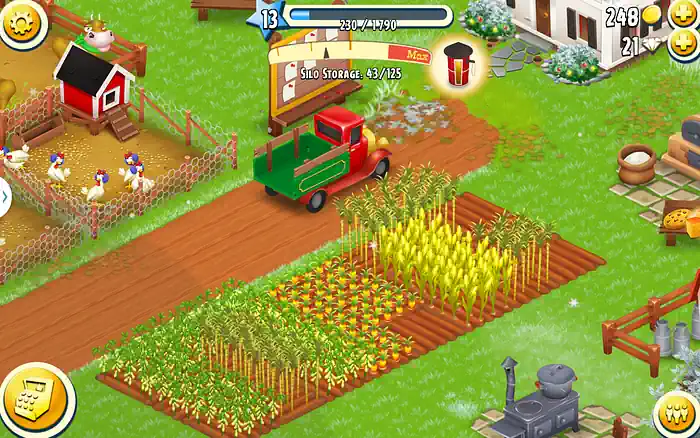
- HayDay, a farming simulator where players choose what to grow and sell, has brought in nearly a billion dollars.
- Adventure Capitalist, a wildly simple clicker game, has millions of addicted players.
- Elvanor and other city-building fantasy sims are all about managing time, money, and resources.
These games aren't about reflexes. They're about decisions: what to build, what to sell, when to upgrade.
Add quests, skill trees, and wrap it in a narrative, and you can have an incredibly rich, engaging experience.
What I'm Building: Kickstarter Sim
To demonstrate what's possible, I'm building a game about a real-world challenge I'm facing right now: running a Kickstarter campaign to fund this very game platform I'm building.
The game, Kickstarter Sim, lets players run a virtual campaign and explore what works, what doesn't, and how creators can improve their odds of success.
It mirrors the actual journey. You can choose to build your audience first, or dump money into ads. You can validate your product through interviews and surveys, or just wing it.
Each choice ripples through the system. Just like real life.
Everything Is a Resource Loop
Think about the decisions you make in life: how to spend your time, money, attention. These are all resource allocation decisions that influence what resources you have available to you later on.
- An upgraded building produces more goods.
- Practicing a skill makes future tasks faster.
- Spending time networking might open doors later.
Games let us model these systems. In-game, we can track, spend, and replenish resources, then let players experiment with different strategies.
The result? A dynamic sandbox of tradeoffs and growth.
Up Next: Turning Life into Loops
In future articles, I'll break down specific elements of game design such as:
- Player Agency: Letting players make meaningful choices.
- Incentives and Rewards: Motivating progress through feedback.
- Pacing Strategy: Gradually introducing mechanics and challenges.
- Mastery and Progression: Letting players grow and feel accomplished.
- Randomness: Injecting surprise, tension, and replayability.
For now, start thinking about your own story. What decisions defined your journey? What did they cost? What did they unlock?
Because every simulation is just a network of decisions wrapped in a system of systems.
And while players love cinematic worlds and action-packed game play… what really matters are the choices we make. What we trade. What we gain.
That's where the magic happens.
Want to Build One Yourself?
I'm building this platform so that you can make these kinds of games without touching code. Not even visual scripting.
Just ideas → systems → playable experiences.
If you're a creator, coach, or storyteller looking for a more powerful way to connect with your audience, or you just want to build a game without writing code, head to multibit.games to sign up for early access.
Because your next story doesn't have to be told.
It can be played!