TL;DR: One Game, Six Mechanics
- Escape From Berlin is a narrative escape game, set in Cold War East Berlin, built end to end on MultiBit's own mechanics. No custom code.
- A cutscene with a real choice opens the story: a voiced conversation with a priest who lays out two paths to freedom.
- An NPC doesn't exist in a location until you're carrying the right quest, then he just appears there, in a place you'd already walked through empty-handed.
- A high-risk Tool Chest and a low-risk Scrap Bin sit side by side at the factory, each rolling its own odds on what you walk away with.
- Work is gated by a daily rest token: one shift, then back to the apartment before you can clock in again.
- Scavenged scrap gets crafted into a flashlight, and a flashlight plus wire cutters complete the quest that gets you out.
I talk about MultiBit's mechanics a lot in the abstract: resources, workflows, tokens, recipes. Said like that, it's easy to picture a spreadsheet instead of a game.
So this time, instead of describing a feature, I want to walk you through a real one. Escape From Berlin is a narrative escape game built on the platform: it's 1961, you work a numbing shift at a state factory by day, and by night you scrape together what you need to get out. Everything you're about to see, the talking priest, the tool chest that might get you caught, the one-shift-a-day grind, is built from the same small set of general-purpose mechanics available to any MultiBit game: Locations, Characters, Quests, Tokens, and workflows like Travel, PlayStory, Produce, Craft, and Complete.
Let's walk through it.
A Cutscene That Talks Back
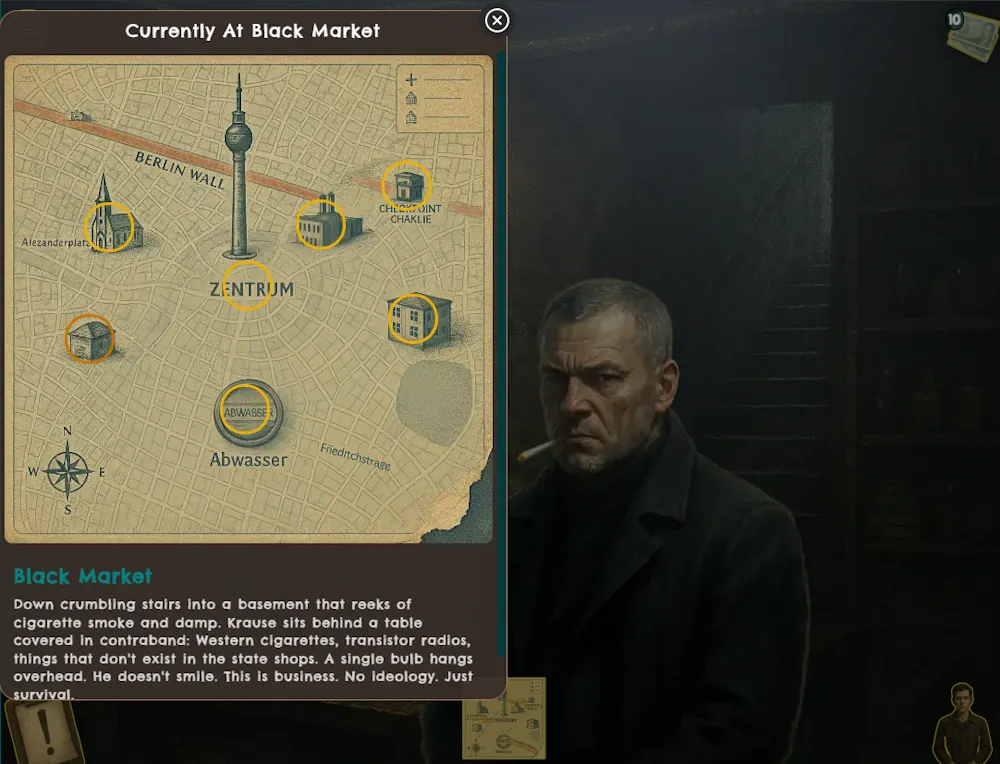
The first place you can travel to is St. Mary's Church: candles, smoke-stained walls, a priest sweeping the floor. The moment you walk in, for the very first time, the game plays a cutscene automatically. No menu, no prompt, it just happens, because arriving at that location is the trigger.
Father Mueller's portrait slides in, voiced dialogue plays, and the text types itself out line by line. Partway through, he lays out the situation plainly: those looking for a way out have two choices, the official route through checkpoints and papers, or the old tunnels beneath the city. That's a real fork, and it's the thing that sets which quest line you're actually working toward for the rest of the game.
Under the hood, there's nothing exotic about it. St. Mary's Church is just a Location resource. Location resources have a built-in Travel workflow, and here its output is a single Lore resource carrying a story with a PlayStory workflow attached, set to fire automatically the first time you arrive. It's the same component type every location in the game already uses to move you from place to place, just pointed at a fully voiced scene instead of a blank transition.
An NPC Who Isn't There Yet
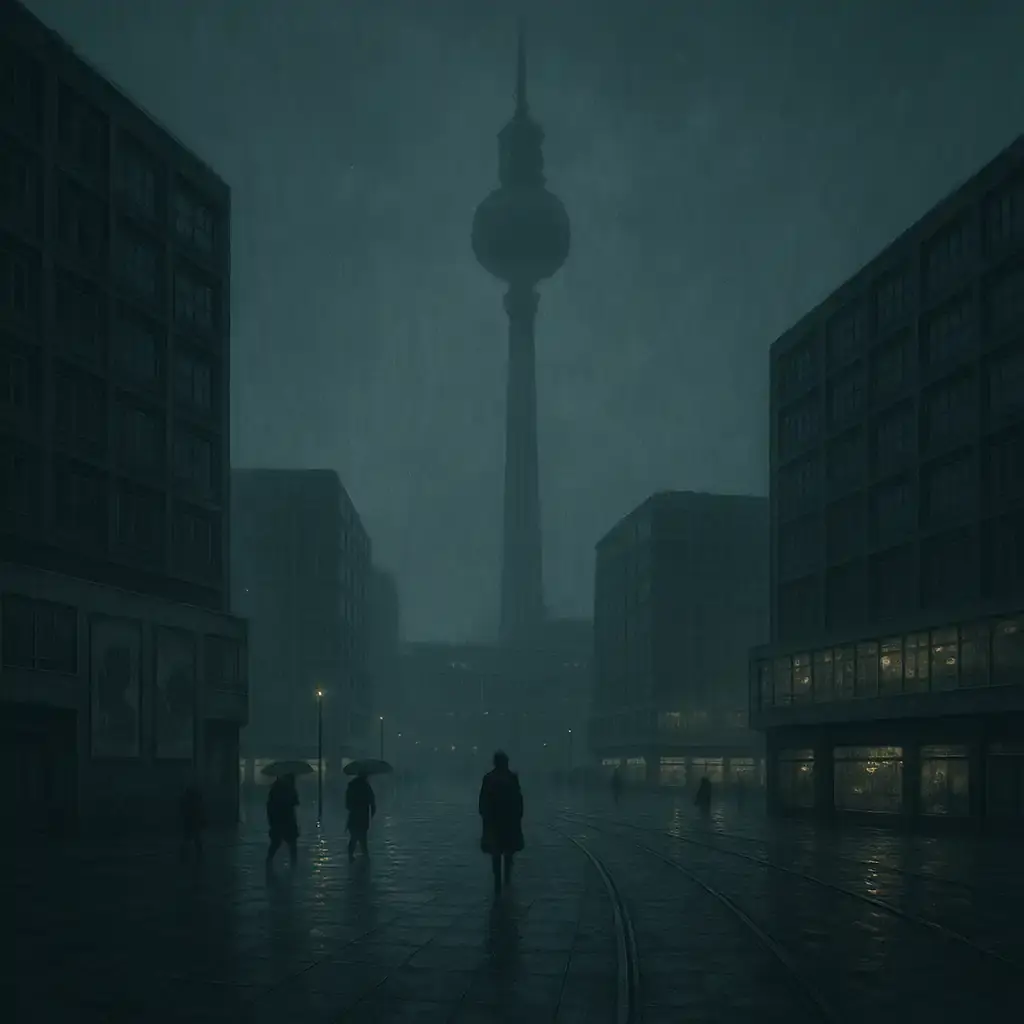
The priest sends you looking for a photographer named Hans, working out of Zentrum, the town square. Walk into Zentrum before that conversation, though, and he's not there. Just the shops and a postbox. No grayed-out marker, no "locked" icon, he simply doesn't exist in the scene yet.
Get the quest from the priest, walk into Zentrum again, and Hans is standing there, ready to talk. Same location, same scene, nothing about the place itself changed. What changed is what you're carrying.
That's a quest-gated placement: Zentrum has a workflow, set to fire automatically whenever the scene opens, that checks whether you're holding a specific quest item, and if so, outputs a Character resource directly into the scene. It's not a special "reveal an NPC" feature, it's the exact same quest-gate-then-output pattern used for handing out items anywhere else in the game, just aimed at a Character instead of a Recipe or a Token. Zentrum actually does it twice, a second contact appears later once you've completed a different quest, so the square visibly fills in with people you can talk to as the story moves forward.
The Tool Chest and the Scrap Bin
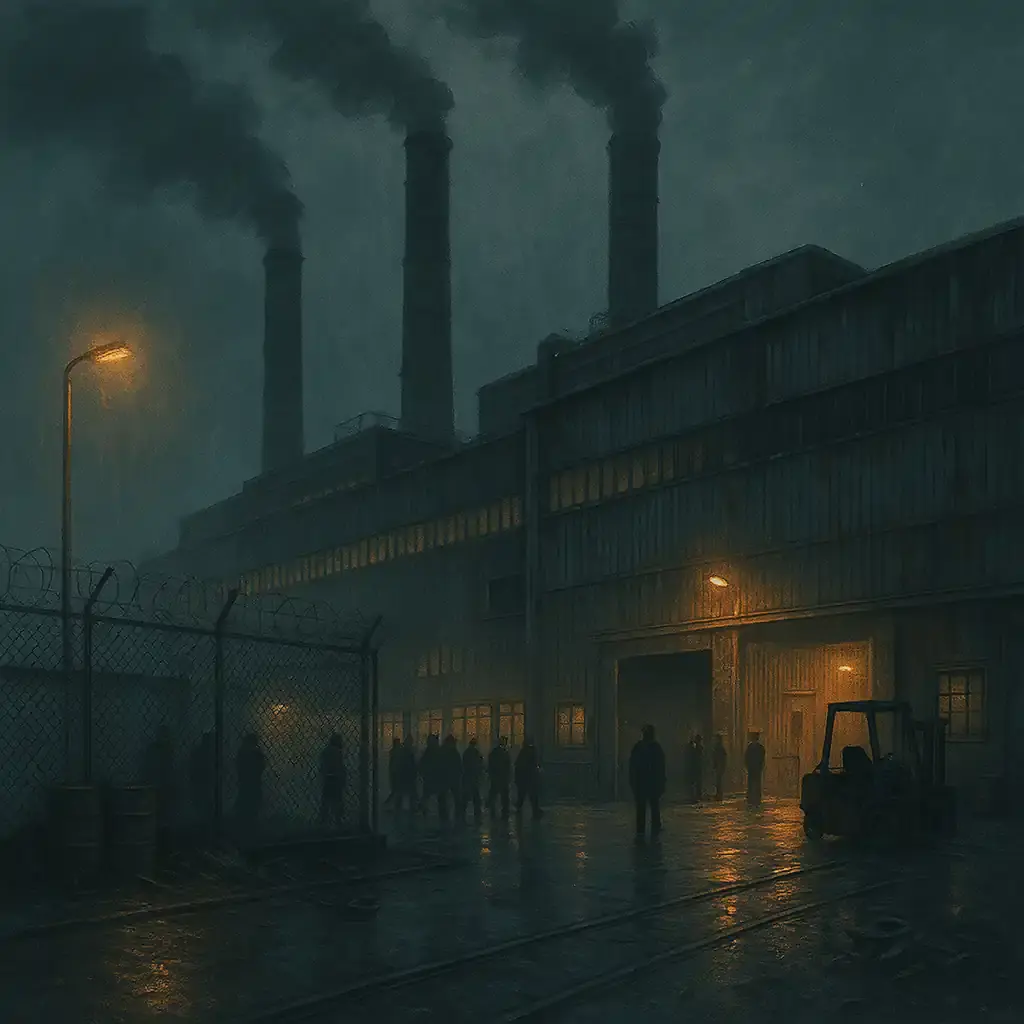
At the factory, two containers sit a few steps apart, and the game is upfront about what each one is for. The Tool Chest: "lots of potentially useful items in here, but high risk of attracting unwanted attention." The Scrap Bin: "a safe place to check for useful bits, little risk of attracting attention, but low probability of finding something useful."
Crack open the Tool Chest and there's roughly a coin-flip chance you walk away with Tools, a real shot at a Low Voltage Bulb, and it reliably kicks up a bit of Heat, the game's stand-in for Stasi suspicion. Check the Scrap Bin instead and you're guaranteed some Metal Scrap, an occasional Metal Cylinder, and only a one-in-three chance of raising your Heat at all. Two containers, two completely different risk profiles, built from the same component.
Both are ordinary Factory-type components with a Produce workflow attached, and each possible output on that workflow carries its own drop chance, from a guaranteed 100% down to a rare 20%. That's the whole trick behind random loot on MultiBit: not a separate loot-table system, just a workflow output with a probability on it.
One Shift, Then Go Home
You can't just farm the Tool Chest all day. The factory's punch clock, dryly named "Your Job," has a "Work a Shift" action that pays a little worthless Ostmark and, on your first shift, a recipe. But it only runs if you're carrying a "Good Nights Rest" token, and it spends that token the moment you use it.
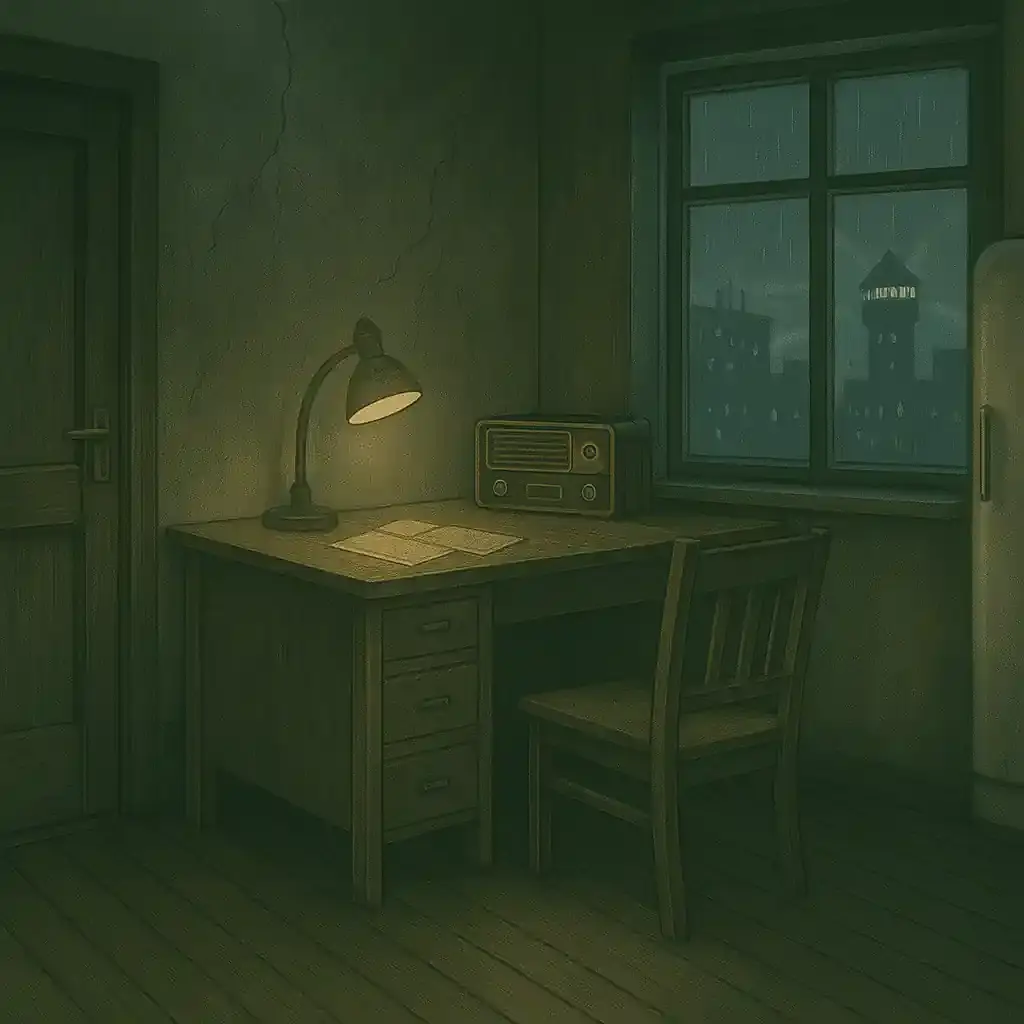
You pick up one Good Nights Rest token each time you arrive at the factory. Work your shift, and it's gone. Try to work again, and the game simply won't let you, you're out of rest. Head back to your apartment, the one with the loose floorboard and the watchtower outside the window, and the next time you show up for work there's a fresh token waiting.
It's two very ordinary mechanics stacked on top of each other: a consumable Token that's granted on arrival and spent on use, plus a plain cooldown on the workflow itself as a second layer of pacing. Neither one is complicated by itself. Together, they turn "go to work" into a daily rhythm instead of a button you mash.
Turning Scrap Into a Way Out
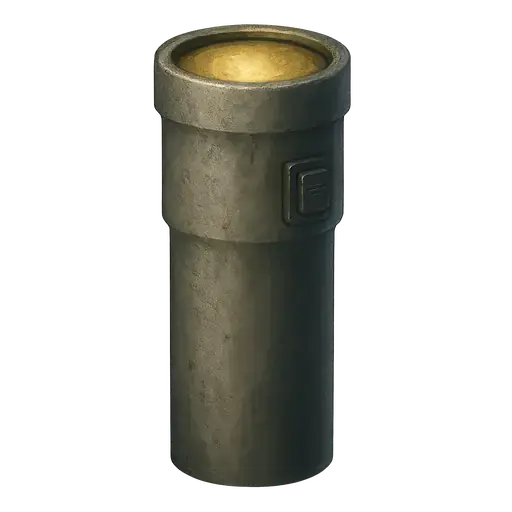
This is where all that scavenged scrap actually goes. The Flashlight Recipe takes a battery, a low voltage bulb, and a metal cylinder, the exact items dropping out of the Tool Chest and Scrap Bin, and crafts them into a working flashlight. Nothing unusual: an ordinary Recipe component with a Craft workflow, inputs consumed, one output produced.
The flashlight then feeds a Quest resource called "Tools of Escape," which is really just watching your inventory: hold a flashlight and a pair of wire cutters at the same time, and it completes itself automatically, no button to press. And it loops straight back to that opening conversation with the priest, the flashlight is for navigating the flooded tunnels, the wire cutters are for the fence at the checkpoint. The choice you made in the very first cutscene quietly decided what you'd need to go build.
Why I'm Showing You This
None of what you just read is a one-off "escape game feature." A cutscene that fires on arrival, an NPC that only exists once you're carrying the right quest, a loot table with two different risk profiles, a token that gates how often you can work, a recipe chain that turns scrap into tools, a quest that completes itself by watching your inventory, every one of those is a general MultiBit mechanic, the same ones available in any game on the platform.
What makes Escape From Berlin feel like a real, tense story isn't a special system built just for it. It's ordinary building blocks, aimed carefully at a specific idea, in a specific order. That's the part I actually want people to take away from a "no-code game engine": the code isn't the interesting part. What you build with it is.
Want to Build One Yourself?
I'm building this platform so that you can make simulation, story and resource management games without touching code. Everything in this breakdown, the cutscenes, the quest gating, the loot tables, the daily loop, the crafting chain, is available to you too.
If you're a creator, coach, or storyteller looking for a more powerful way to connect with your audience, or you just want to build a game without writing code, head to multibit.games to sign up for early access.
One shift, one choice, one quest at a time. That's how you build an escape.